|
|
||
|
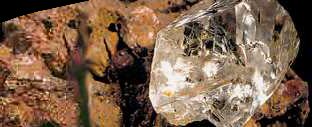
There are both inorganic and organic carbon found in diamonds. Diamonds have different names depending on the type of carbon found in them. Diamonds formed from inorganic carbon found in the Earth's mantle are called harzburgitic, whereas eclogitic diamonds are formed from organic carbon from detritus that has been pushed down from the surface of the Earth's crust. The diamonds that are brought to the surface of the Earth are older than most, ranging from 1-3.3 billion years old. Any natural, high pressure, high temperature event can cause diamonds to form.
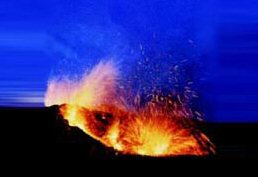
Micro-diamonds, which are very small diamonds, have been found in craters where meteors struck the earth and created areas of high temperature and pressure. These small diamonds are used to indicate sites where there was once a meteorite impact. In the oldest regions of the Earth's crust, volcanic pipes bearing diamonds can commonly be found. Volcanic pipes are found below small surface volcanic craters, and contain material that was brought towards the surface during volcanic activity, yet never erupted. The magma does not contain diamonds, yet transports the rocks and materials to the surface.
Diamonds
that are brought to the Earth's surface by magma in a volcanic pipe can
erode out and be dispersed over a very large area. A primary source of
diamonds is the term used to describe a volcanic pipe containing diamonds.
A secondary source occurs where a number of diamonds accumulate due to the
activity of water or weather. Diamonds have been found in glacial deposits,
yet are not found in large numbers, and are not considered a potential
commercial source of the gem. It is also possible for diamonds to be
forced to the surface after two continental plates collide, although it is
rare. |
||
|
|
|
|